Carp Culture (Cyprinus carpio)
Carp is a common name for various species of freshwater fish of the family Cyprinidae, a very large group of fish native to Europe and Asia.
Various species of carp have been domesticated and reared as food fish across Europe and Asia for thousands of years. These various species appear to have been domesticated independently, as the various domesticated carp species are native to different parts of Eurasia.
Demand has declined, partly due to the appearance of more desirable table fish such as tilapia and salmon, through intensive farming and environmental constraints.
How Carp grows in Fish Farms
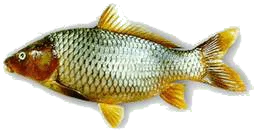
Carp fry start off very small and fragile. This early period of their lives has the highest mortality rate with less than one in a thousand fish surviving the first few weeks.
Carp fry of a few days old are so undeveloped that they cannot digest pelleted foods.
These first-feeding fry need to be fed on live food, on a farm they are fed on tiny shrimp-like creatures called artemia.
These are also just a day or so old and are less than 0.5mm in size which is just perfect for carp to eat.
These tiny shrimps are hatched in large quantities from dried eggs and then fed directly to the carp fry.
Beyond this time the carp fry are then stocked out into freshly flooded fish farm ponds. These ponds will have bloomed up with tiny planktonic animals that are the perfect food for the carp fry.
Once in the ponds, the newly stocked carp start hoovering up these tiny animals and grow rapidly.
After just a few weeks, the rapidly growing fish, will be big enough to enjoy another change of diet as they can start to eat tiny pellets, this will further boost their growth.
During the summer period the fish grow rapidly in the warm water. There are often a lot of fish in the ponds and the weight of stock can rapidly increase with the growth of the fish.
At a time of the year when the natural mortality rate of fish fry peaks again, the farm-reared carp will be big enough to survive until warmer weather returns.
The maximum growth potential of carp is rarely achieved in outdoor pond farms, even with the extra feed and good water quality.
If the carp is grown indoors, with hot water, and is constantly maintained, it is when they reach their maximum potential.
anglingtimes.co.uk
Tilapia Salmon